The Qurʾān calls on humanity to observe, think, and seek understanding. For centuries, science has shared that same calling — exploring the laws that govern life and the universe. This platform brings those two paths together.
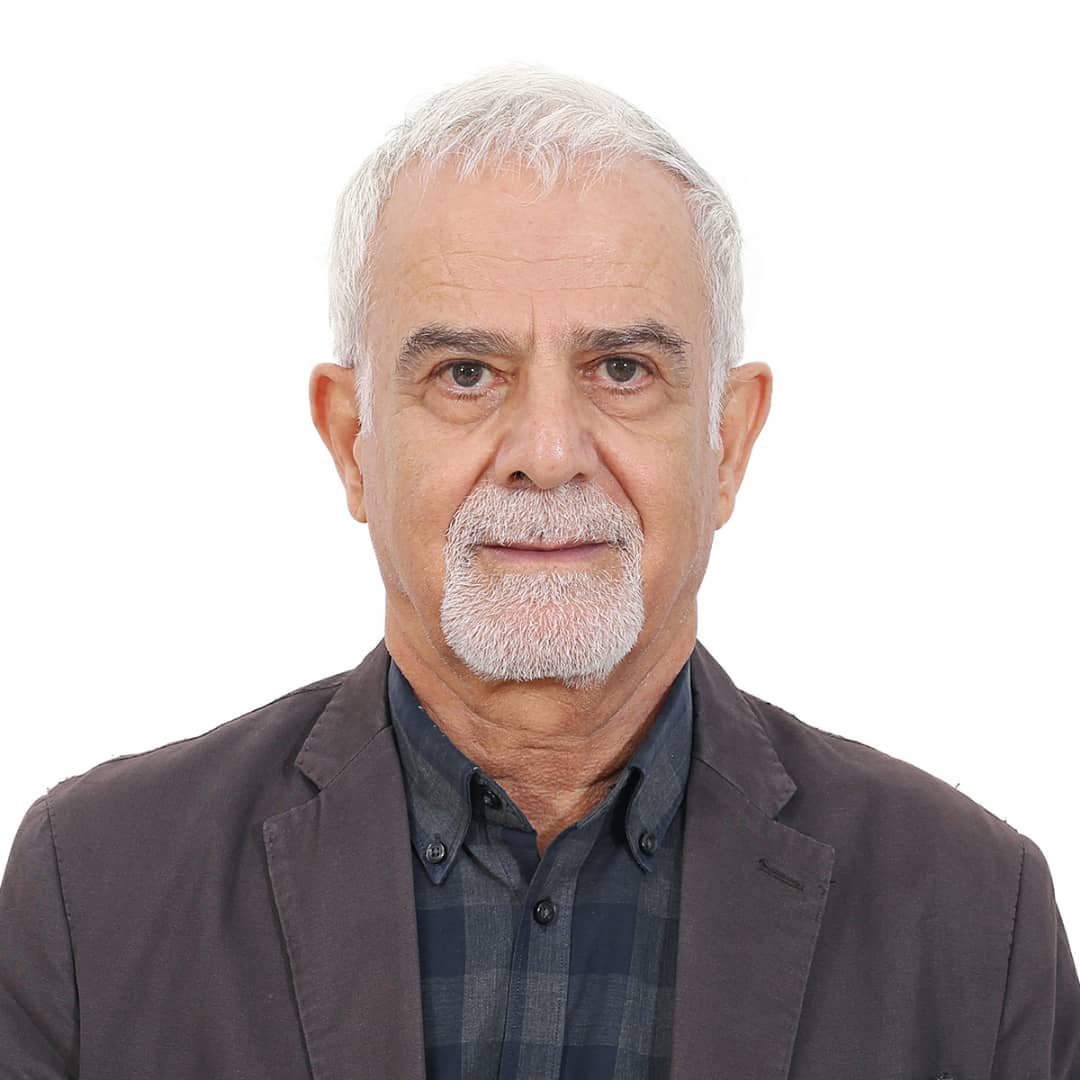
Our mission is to explore the truths of existence through a scientific lens inspired by the Qurʾān. The ideas and research shared here are drawn from decades of scholarly work by Dr. Karim Rastegar — neuroscientist, psychiatrist, and Associate Professor of Neurophysiology at Shiraz University of Medical Sciences.
"Our aim is not to interpret science through religion, nor to fit revelation into scientific theory — but to uncover how both can guide us toward the same truth."
— Quranic Sciences InstituteHis 20-volume Qurʾānology series reveals a dimension of the Qurʾān that speaks directly to the foundations of creation, life, and human society — from cosmology and physics to neuroscience, consciousness, and the nature of the soul.
Through the knowledge inspired by the Qurʾān, examined with scientific rigor, we pursue the questions that matter most.
Does God exist? Is the order we see in the universe evidence of intention or coincidence? How does the Qurʾān describe God and His role as Creator in relation to His creations? Is there a scientific rationale to believe in the existence of a Creator?
Read More →Why is the concept of the afterlife so central to Abrahamic religions, specifically the Qurʾān? How does the Qurʾān describe the afterlife? Is there a scientific rationale to believe in life after death? Can moral goodness exist without belief in Heaven and Hell?
Read More →Do humans have free will, or are our choices predetermined? If free will exists, what purpose does it serve in the grand design of creation? How does the Qurʾān describe humans — are they creatures destined to be as they are, or self-determined in their actions?
Read More →How did life emerge from inanimate matter — chance or purpose? What does the Qurʾān reveal about the origin and stages of life? Do scientific discoveries about evolution contradict divine creation, or deepen our understanding of it? What makes human consciousness unique?
Read More →A visual map of the Qurʾānic understanding of creation — explore the full infographic.
A 20-volume work by Dr. Karim Rastegar, M.D., Ph.D. — exploring the timeless knowledge of the Qurʾān through the lens of modern science. From cosmology to neuroscience, each volume reveals a dimension of divine revelation that speaks directly to the foundations of creation, life, and human society.
Complete Publication ListThe foundational volume of the series. Explores how the Qurʾān communicates empirical truths across centuries through its unique epistemological architecture.
Submitted to Brill PublishingAn exploration of the Qurʾānic concept of the soul through the lens of neuroscience — examining consciousness, free will, and human identity. English translation complete.
Translation CompleteA Qurʾānic examination of the universe's structure — exploring how modern cosmology illuminates the Qurʾān's description of the seven heavens. English draft complete.
English Draft CompleteThe Qurʾānology series is a 20-volume body of scholarly work by Dr. Karim Rastegar — neuroscientist, psychiatrist, and researcher at Shiraz University of Medical Sciences.
Continue Reading →The Quranic Sciences Institute is pleased to announce that the first volume of the Qurʾānology series has been formally submitted to Brill Academic Publishers.
Continue Reading →The Quranic Sciences Institute presents The Signs (Al-Āyāt), a documentary series exploring the phenomena of the universe, life, and consciousness through the lens of the Qurʾān.
Continue Reading →